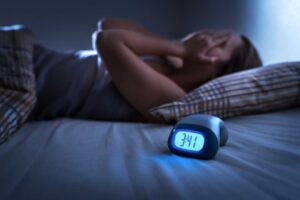

Maybe your heart starts racing before a meeting that should be routine. Maybe your mind runs through worst-case scenarios at night, or your shoulders stay tight all day even when nothing is wrong. Anxiety can make your body act as if it is always bracing for something.
If you have been reading about neurofeedback for anxiety and wondering whether it could help, here is a clear, honest look at what it is and what to expect.
Quick Answer
Neurofeedback is a non-invasive form of brain training that helps the brain practice healthier, more regulated patterns of activity. Research suggests it may help some people with anxiety feel calmer and manage emotional reactions more easily, though studies are still ongoing and results vary. Neurofeedback is not a cure for anxiety. It works best as one part of a personalized plan that can include therapy, medication, or other care recommended by your healthcare provider.
Understanding Anxiety
Feeling nervous before a big event is a normal part of life. Anxiety becomes a problem when worry or tension shows up often, feels out of proportion to what is happening, or starts to get in the way of work, sleep, relationships, or everyday plans. Anxiety affects the body as much as the mind. Common signs include:- Frequent worry that is hard to switch off
- Restlessness or feeling on edge
- Racing thoughts, especially at night
- Muscle tension, headaches, or an upset stomach
- Trouble concentrating
- Irritability
- Difficulty falling or staying asleep
- Sudden waves of panic
How Does Neurofeedback Work for Anxiety?
Neurofeedback is a form of biofeedback that focuses on brainwave activity. Small sensors placed on the scalp read your brain’s natural activity, and the system uses that information to give the brain real-time feedback. Over time, this feedback encourages the brain to self-regulate. For someone with anxiety, the goal is to help the nervous system spend less time in a revved-up, protective state and settle more easily when there is no real threat. A helpful way to think about it is practice. The brain gets repeated chances to find steadier patterns, much like a muscle gets stronger with consistent training.What Does the Research Say About Neurofeedback for Anxiety?
Research on neurofeedback for anxiety is still developing. Some studies suggest it may help reduce anxiety symptoms and improve emotional regulation for some people, but studies differ in size, methods, and the types of anxiety they look at. Researchers are still learning who benefits most and why. That is why neurofeedback is best viewed as one option within a broader plan, not a replacement for proven anxiety care such as therapy. At NeuroLogic Seattle, recommendations are based on your history, symptoms, and goals rather than a one-size-fits-all approach.How Neurofeedback May Help People With Anxiety
Everyone’s anxiety looks a little different. While individual results vary, people often explore neurofeedback for anxiety hoping to support:- A calmer baseline during the day
- Steadier emotional reactions
- Less time caught in worry loops
- Better sleep
- Easing of stress-related physical tension
- Clearer focus at work or school
- Resilience during stressful seasons of life
Personalized Neurofeedback for Different Life Stages
Neurofeedback may be appropriate for:Children and Teens
Anxiety in kids and teens can show up as stomachaches before school, trouble separating from parents, meltdowns, or avoiding activities they used to enjoy. Neurofeedback may help support calmer regulation as part of a plan that can also include counseling and support at home and school. NeuroLogic Seattle works with children as young as five. Learn more about our Neurofeedback for Children and Teens program.Adults
For many adults, anxiety builds quietly through demanding jobs, family responsibilities, and years of running on stress. It can show up as constant tension, irritability, or nights spent lying awake. Neurofeedback may help adults calm an overactive nervous system and respond to stress with more steadiness. If anxiety is also affecting your nights, you may find our article on neurofeedback for sleep problems helpful. Learn more about Neurofeedback for Adults.High-Performance Professionals
Executives, healthcare providers, first responders, athletes, and business owners often work under steady pressure. Over time, that pressure can turn into performance anxiety, trouble switching off, or difficulty focusing when stakes are high. Neurofeedback may help support mental clarity and composure in demanding environments. For practical ideas in the meantime, see 7 strategies to stay focused when anxiety takes over. Learn more about Neurofeedback for High-Performance Professionals.Older Adults
Anxiety does not always fade with age. Health changes, retirement, loss, or caring for a loved one can bring new worries later in life. Neurofeedback may help older adults support emotional balance and overall brain health as part of a personalized plan that is coordinated with their other medical care. Learn more about Neurofeedback for Elderly and Older Adults.What Happens During a Neurofeedback Session?
Neurofeedback sessions are comfortable and non-invasive, which can matter a lot when you are already feeling anxious about trying something new.
During a session at NeuroLogic Seattle:
- Sensors are placed on the scalp to read your brain’s activity.
- You simply relax and stay seated. No special focus or effort is needed.
- The active part of the treatment lasts only a few seconds to a few minutes.
- Sessions are scheduled for 30 minutes.
- You won’t feel the treatment itself, and many people find sessions relaxing.
- There are no exercises to practice at home.
WONDERING IF NEUROFEEDBACK COULD HELP YOUR ANXIETY?
You don’t have to figure this out alone. NeuroLogic Seattle offers a free 15-minute phone consultation where you can share what anxiety looks like for you, ask questions, and find out whether neurofeedback may be a good fit.
Ready to learn more?
Neurofeedback, Therapy, and Anxiety Medication
Therapy and medication are well-established options for anxiety, and many people benefit from them. Some people look into neurofeedback because they want a non-medication approach to add to their care, or because they feel stuck despite trying other options. Neurofeedback is typically used alongside existing treatments, not instead of them. It can be combined with counseling, medication, and lifestyle changes. If you take medication for anxiety, keep taking it as prescribed. Any changes to medication should only be made with your prescribing provider.Is Neurofeedback Safe?
Neurofeedback is a gentle, non-invasive therapy. Some people notice temporary effects for a day or two after a session, such as feeling more tired or a bit more “wired,” and occasionally a mild headache. These effects usually pass quickly and can be addressed by adjusting the plan. You can read more on our FAQ page. If you are considering neurofeedback, talk with an experienced provider about whether it is appropriate for your situation.When Anxiety Needs Urgent Help
Neurofeedback is not emergency care. If you are having thoughts of harming yourself, or you feel unsafe, call or text 988 to reach the Suicide and Crisis Lifeline, or call 911. It is also a good idea to see a physician if anxiety symptoms are new or sudden, because conditions such as thyroid problems or heart rhythm issues can cause similar symptoms.Getting Started at NeuroLogic Seattle
NeuroLogic Seattle is located in the Ballard neighborhood, and the first step is a free, no-obligation phone consultation. You can talk through your symptoms and goals, ask questions, and decide whether neurofeedback makes sense for you. No referral is needed. If you move forward, your first visit includes a health assessment and your first neurofeedback session. From there, you’ll get a plan tailored to your needs. Plans typically include 10 to 20 sessions, often 1 to 2 per week, and your progress is checked along the way. You can walk through each step on our how it works page. If attention or focus challenges also play a role for you, our article Can Neurofeedback Help ADHD? may be useful too.TAKE THE FIRST STEP TOWARD FEELING CALMER
Living with anxiety can be exhausting, and wanting a little more calm is a reasonable goal. Neurofeedback is not a quick fix, and it is not right for everyone, but it may be worth exploring as part of your care. Start with a free phone consultation to see whether a personalized plan at our Ballard clinic fits your needs.
Ready to learn more?
Common Questions About Neurofeedback for Anxiety
Neurofeedback is a non-invasive therapy that helps train the brain toward healthier, more regulated activity. Research suggests it may help some people with anxiety feel calmer and manage emotional reactions more easily, although studies are still ongoing and results vary. A consultation can help you decide whether it fits your situation.
It depends on the person. Most treatment plans include 10 to 20 sessions, usually 1 to 2 per week. Some people notice changes within the first few sessions, while lasting changes tend to build over time. Your provider will set expectations after reviewing your history and goals.
Yes. Neurofeedback is typically used alongside existing treatments such as counseling or medication. Do not stop or change prescribed medication without guidance from your prescribing provider.
Most people find it relaxing. You stay seated while sensors read your brain’s activity, and the active part of the treatment lasts only seconds to a few minutes. You won’t feel the treatment itself, and no special focus is required.
No referral is needed. You can start with a free 15-minute phone consultation to talk about your symptoms and goals and learn whether neurofeedback may be a good option for you.