
We start with an in-depth conversation about your symptoms, health history, and goals. This allows us to determine whether neurofeedback is the right approach for your needs.

Neurofeedback is a type of biofeedback that helps the brain understand how it is functioning in real time.
During neurofeedback
Small sensors are placed on the scalp to measure brain activity
No electricity, medication, or injections are involved
The child remains awake and comfortable
The brain receives feedback through visuals or sounds
When the brain moves toward healthier patterns, the feedback responds. Over time, the brain learns which patterns feel better and begins using them more consistently.
This process is similar to learning a skill through practice rather than being told what to do.
The developing brain is highly adaptable. Neurofeedback takes advantage of this natural flexibility to support regulation and learning. Each neurofeedback plan is individualized based on the child’s age, symptoms, and goals.
Supporting an autistic child? Understanding your child’s sensory, emotional, and communication needs can also help you advocate for them at school, at home, and with others. Read our guide to how to advocate for your autistic child when others just don’t get it.
Our neurofeedback process is designed to be straightforward, supportive, and effective. Here’s what to expect at each stage:
We start with an in-depth conversation about your symptoms, health history, and goals. This allows us to determine whether neurofeedback is the right approach for your needs.

Your first visit includes a comprehensive assessment of your health and lifestyle, followed by your first neurofeedback session to evaluate your response. Many clients notice changes within 24–48 hours.
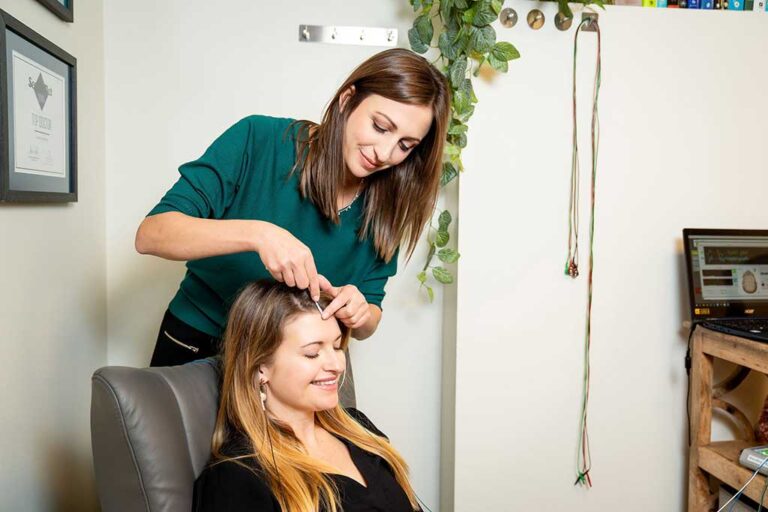
You’ll receive a custom neurofeedback protocol tailored to your brain patterns and wellness goals.
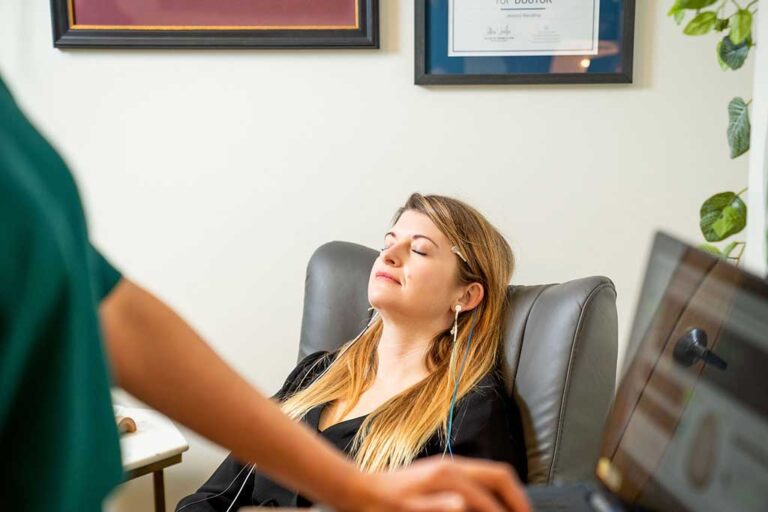
Sessions are relaxing and straightforward. You simply sit comfortably while your brain responds to visual and audio feedback. Most adults begin noticing improvements within 8–12 sessions, with typical treatment plans ranging from 20–40 sessions depending on goals.

Children remain awake and relaxed during painless sessions with no medication or stimulation
Sessions are adjusted for attention span, comfort, and individual needs, with breaks always allowed
Most neurofeedback sessions last approximately 30 to 45 minutes, allowing enough time for meaningful brain training while remaining appropriate for a child or teen’s attention span and comfort level.