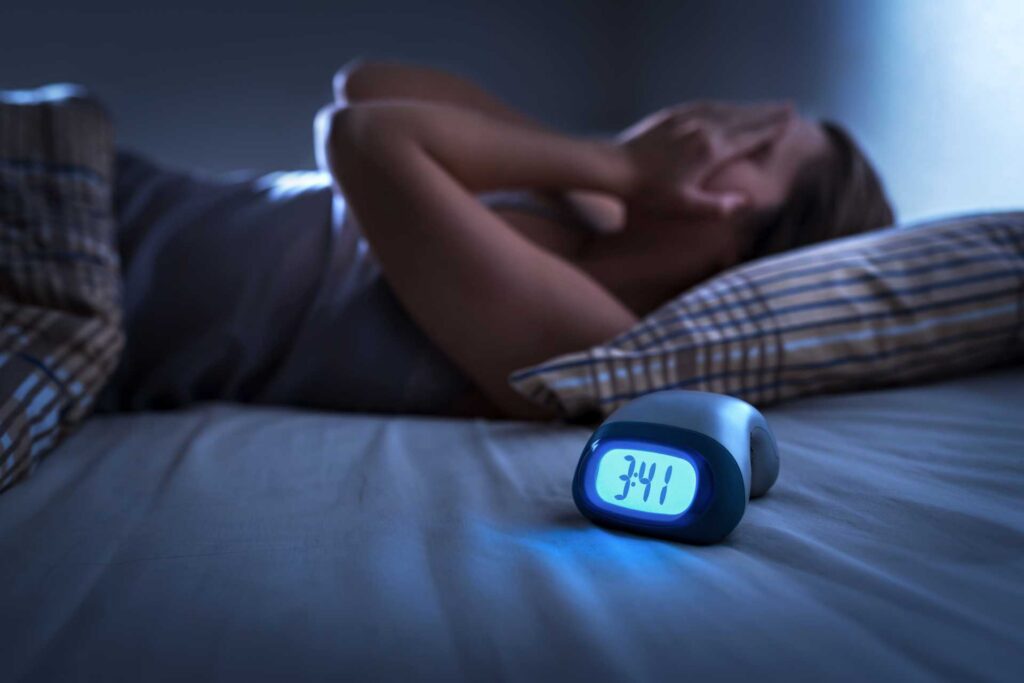
You go to bed tired, but your mind won’t shut off. Or you fall asleep easily, only to wake up at 2 or 3 a.m. and lie there running through tomorrow’s tasks, yesterday’s conversations, or a vague sense that something still isn’t settled.
Your body is ready for sleep. Your brain doesn’t seem to get the message.
When stress keeps your nervous system activated long after the day is over, nights can become a struggle even when you’re exhausted. If that sounds familiar, you’re not alone, and you’re not “bad at sleeping.”
This article explains why stress can interfere with sleep, how to tell when you may need a medical workup first, what neurofeedback sessions are actually like, and how to think about next steps without hype or guarantees.
Quick Answer: Can Neurofeedback Help With Sleep Problems?
Neurofeedback is a non-invasive form of brain training that measures your brain’s activity and provides real-time feedback. For some people, it may support calmer regulation patterns that make falling and staying asleep feel more available. It is not a cure for insomnia, sleep apnea, or other sleep disorders, and results vary from person to person. It works best as one part of a broader plan that can include sleep habits, therapy, and care from your physician when needed.
Why Stress Makes It Hard to Sleep
Sleep asks your nervous system to downshift. Stress often does the opposite.
When you’re under ongoing pressure, your brain can stay in a protective, alert state more often than it settles. That can show up as racing thoughts the moment your head hits the pillow, a wired-but-tired feeling, light sleep, or waking in the middle of the night with your mind already back at work.
This isn’t a character flaw. It’s closer to a system that has practiced “stay ready” for so long that “rest now” feels unfamiliar.
Related reading: why your brain may get stuck in survival mode and what that can mean for everyday regulation.
Common nighttime patterns when stress is part of the picture include:
- Replaying conversations or planning tomorrow as soon as you lie down
- Feeling physically tired while mentally braced
- Waking around 2 or 3 a.m. with worry or mental lists
- Sleep that improves on calmer weeks and falls apart when pressure returns
- Daytime irritability or tension that tracks with poor nights
Not every sleep problem is “just stress.” Some symptoms need a physician’s attention before you explore other options.
When Sleep Trouble Needs a Doctor First
Stress-related sleep difficulty and medical sleep disorders can overlap. This section is education, not a diagnosis.
Talk with a physician or sleep specialist sooner if you notice:
- Loud snoring, gasping, or breathing pauses during sleep
- Daytime sleepiness that affects driving or work safety
- New neurologic symptoms such as unexplained weakness, vision changes, or concerning headache patterns
- Restless legs, pain, or movements that consistently wake you
- Sleep problems after a head injury that haven’t been medically reviewed
- Sleep that is rapidly getting worse despite solid habits
Neurofeedback is not a substitute for evaluating sleep apnea, medication side effects, thyroid issues, or other medical causes. NeuroLogic Seattle is not a primary care clinic. Keep, or establish, a relationship with a physician who can rule out red flags and coordinate care.
If your main picture is chronic stress, anxiety, and a brain that won’t settle at night, many adults look into neurofeedback for adults as one possible support alongside therapy or other care their providers recommend.
What a Neurofeedback Session Is Actually Like
If you’ve never tried neurofeedback, the process is usually simpler than people expect.
Sensors are placed on the scalp to monitor your brain’s natural activity. Those sensors record. They do not send electricity or stimulation into the brain. You’re invited to get comfortable and rest. The active training portion is typically brief, while visits are commonly scheduled around half an hour.
You don’t need to meditate perfectly, perform, or complete complicated homework for the training to occur. Many people find sessions quiet and low-demand.
After a session, your brain may continue adjusting for a period of hours. A small number of people notice temporary shifts such as feeling more tired or, less often, a bit more “wired” as things settle. Those effects are usually short-lived and can be addressed by adjusting the plan. More detail lives on the clinic FAQ.
When better sleep is part of your goal, early conversations often cover:
- How your nights actually look, including falling asleep, staying asleep, and early waking
- Daytime stress, anxiety, trauma history, concussion, or pain that may keep arousal high
- Medications and therapies you’re already using
- What “better” would mean for you in practical terms
For the full consult-to-training process, see how it works.
WHEN STRESS WON’T LET YOU SLEEP
If stress-driven sleeplessness is wearing you down, you don’t have to sort through every option alone. NeuroLogic Seattle offers a free 15-minute phone consultation to talk through what’s happening at night, answer questions, and explore whether neurofeedback may be a reasonable fit.
Ready to learn more?
What “Better Sleep” Can Look Like Over Time
There isn’t one session count that fits every person. Many people work within a range of about 10 to 20 sessions for meaningful, lasting change. Some notice shifts earlier. Others need a longer, more individualized plan. Your clinician should set expectations after hearing your history, not from a one-size-fits-all promise.
When nights improve, the change is often gradual rather than dramatic:
- Falling asleep a little sooner on some nights
- Fewer or shorter middle-of-the-night wake-ups
- Feeling less mentally revved at bedtime
- Mornings that feel a bit more restorative, even before every night is perfect
Results vary. Neurofeedback is not a promise to eliminate insomnia, replace a CPAP, or automatically reduce sleep medication. If medication is part of your care, only your prescribing clinician should change it.
Small Habits That Support Calmer Nights
Neurofeedback doesn’t require a total life overhaul. A few practical habits can still make it easier for your nervous system to practice settling at night.
- Give yourself a wind-down window before bed that isn’t email or problem-solving. Dimmer light, lighter reading, stretching, or a warm shower can cue the shift.
- Bright overhead light and phone glare late in the evening can keep alertness higher. If a full digital detox feels unrealistic, smaller steps still help: night mode, charging the phone outside the bedroom, or a consistent screens-down time.
- Afternoon caffeine often lingers longer than people expect. An earlier cutoff is a useful experiment.
- Alcohol may help you doze off and then fragment later sleep. If nights are already fragile, reducing evening alcohol is often worth trying.
- A steady morning wake time can support your body clock even when bedtime is imperfect. Daytime movement and outdoor light can support mood and sleep pressure without becoming another performance goal.
If worry loops or trauma responses spike at night, trauma-informed therapy or anxiety care can pair well with brain training. Neurofeedback is often used alongside counseling, not instead of it.
This article does not recommend supplement stacks. Individual nutrition or supplement plans belong in a clinical visit, not as one-size-fits-all advice in a blog.
READY FOR A CLEARER NEXT STEP?
You don’t have to treat sleeplessness as a personal failure. If stress has your nervous system stuck in high gear, it makes sense that sleep feels out of reach. Neurofeedback may help some people train toward calmer patterns. It isn’t magic, and it isn’t appropriate for every sleep diagnosis. What you can do now is get informed, address medical red flags with your physician when needed, and ask whether a personalized plan at NeuroLogic Seattle is worth exploring.
Ready to learn more?
FREQUENTLY ASKED QUESTIONS ABOUT NEUROFEEDBACK AND SLEEP
Neurofeedback trains the brain toward healthier activity patterns using real-time feedback. Some people explore it when stress, anxiety, or an always-on nervous system interferes with rest. It is not a guaranteed cure for insomnia, and results vary. A consultation helps determine whether it may fit your situation.
Neurofeedback is generally described as gentle and non-invasive. Sensors monitor brain activity rather than delivering electrical stimulation. Temporary effects lasting about a day or two can include feeling more tired or, for some, temporarily more wired. Tell your clinician if sleep is already fragile so the plan can be paced thoughtfully.
Many clients work within roughly 10 to 20 sessions for lasting change, though some notice earlier shifts and others need a longer plan. Frequency is often adjusted over time. Your clinician will set expectations after reviewing your symptoms.
Yes. Neurofeedback is typically used alongside existing treatments. Do not stop or change prescribed medication without guidance from your prescribing clinician. Therapy and sleep habits can complement training well.
Seek medical evaluation first for possible apnea (snoring, gasping, breathing pauses), unsafe sleepiness, new neurologic symptoms, post-concussion sleep collapse that hasn’t been assessed, or any acute medical concern. NeuroLogic Seattle is not a primary care or emergency clinic. Neurofeedback may still be part of a broader plan later once safety issues are addressed.
The free phone consult lasts about 15 minutes. You’ll share symptoms and goals, ask questions, and discuss whether neurofeedback seems like a reasonable next step. There’s no obligation to book a full treatment package.