
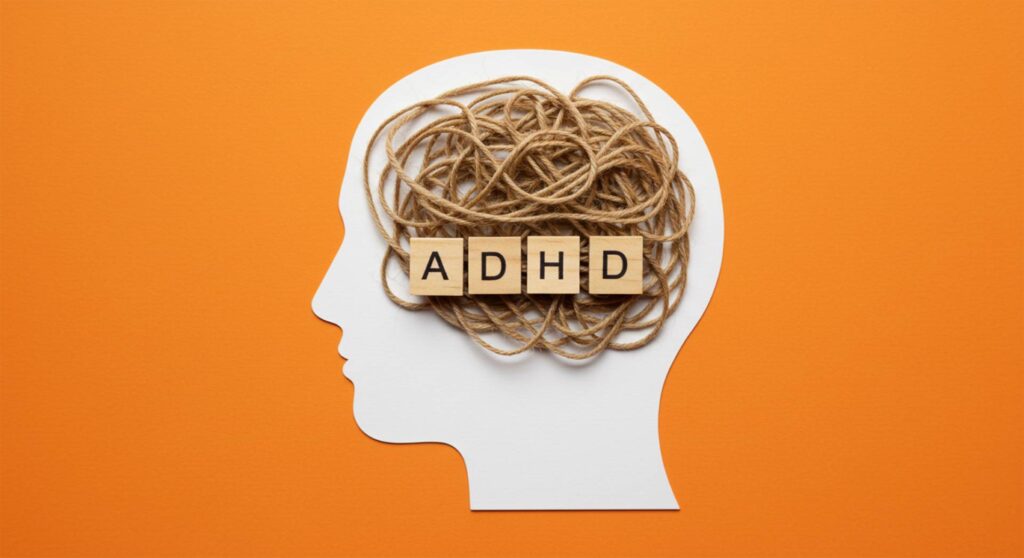
ADHD memory gaps can make daily life feel unpredictable. You may forget conversations, misplace essential items, lose track of instructions, or struggle to recall information when you need it most. These patterns are not character flaws or signs of laziness. They reflect how the ADHD brain processes attention, working memory, and information storage.
If ADHD memory problems are affecting your work, relationships, or confidence, understanding what is happening neurologically is the first step. The next step is building mental shortcuts that work with your brain rather than against it.
What Are ADHD Memory Gaps?
ADHD memory gaps are lapses in recall caused by weaknesses in working memory and executive function. Working memory is the system that temporarily holds and manipulates information. It allows you to remember directions long enough to follow them, retain details from a meeting, or keep track of multi-step tasks.
In people with ADHD, working memory often functions inconsistently. When attention drifts, information may not fully encode. If it is not encoded clearly, it cannot be retrieved later. This is why many adults with ADHD say, “I know I heard it, but I can’t remember it.”
Common signs of ADHD memory problems include:
- Forgetting appointments despite good intentions
- Losing track of conversations
- Difficulty recalling names or details
- Starting tasks and forgetting the next step
- Experiencing persistent ADHD brain fog
These challenges are neurological in nature. They are related to regulation of attention networks in the brain, not intelligence or effort.
Why ADHD Affects Memory and Recall
Memory depends on three core processes:
- Attention
- Encoding
- Retrieval
ADHD disrupts attention first. If attention is inconsistent, encoding becomes incomplete. Incomplete encoding leads to unreliable retrieval.
Additionally, the ADHD brain often experiences increased cognitive noise. Competing thoughts, sensory input, and emotional reactivity can crowd working memory. This overload contributes to ADHD brain fog and difficulty with recall.
Over time, repeated memory lapses can lead to frustration, anxiety, and reduced confidence. That emotional layer can further interfere with attention and memory retention.
Research from the National Institute of Mental Health explains that ADHD affects attention regulation and executive functioning, which directly influence working memory performance.
How Mental Shortcuts Help ADHD Memory
Mental shortcuts are intentional strategies that reduce the demand placed on working memory. Instead of relying solely on internal recall, you build systems that support consistent retrieval.
These shortcuts can include:
- External memory supports
- Visual or verbal encoding strategies
- Routine-based triggers
- Structured environmental systems
The goal is not to force your brain to operate like a neurotypical brain. The goal is to design systems that compensate for ADHD memory gaps.
Strategies for Building Mental Shortcuts That Work
External Memory Supports
External tools act as extensions of your working memory. They reduce the need to hold information internally.
Effective supports include:
- Digital calendar reminders with alerts
- Written checklists for recurring routines
- Labeled storage systems
- Visual task boards
- Notes placed where the action happens
Consistency matters more than complexity. A simple checklist used daily is more effective than an elaborate planner used inconsistently.
Strengthening Encoding Through Association
If information is not encoded clearly, it cannot be retrieved reliably. Strengthening encoding improves ADHD memory recall.
Helpful techniques include:
- Repeating key information aloud
- Writing notes by hand
- Creating acronyms
- Pairing information with visual imagery
- Connecting new information to something emotionally meaningful
For example, if you meet someone named Rose, imagine them holding a rose. This increases the likelihood of later retrieval.
Habit-Stacking and Routine Anchors
Habit-stacking pairs a new behavior with an established routine. This reduces cognitive effort.
Examples:
- Reviewing your schedule during breakfast
- Placing keys in the same location immediately after walking in
- Checking your task list before turning off your computer
Routine anchors create automatic retrieval cues. When the routine occurs, the memory prompt follows.
Reducing ADHD Brain Fog
Brain fog intensifies ADHD memory problems. Supporting overall brain regulation can improve clarity.
Focus on:
- Consistent sleep schedules
- Structured daily rhythms
- Limiting multitasking
- Taking short cognitive breaks
- Practicing brief mindfulness exercises
Reducing overstimulation decreases cognitive noise, which improves working memory performance.
Neurofeedback and Brain-Based Support
For some individuals, structured brain-based interventions may help improve attention regulation and working memory consistency.
Neurofeedback therapy trains the brain to regulate its own activity through real-time feedback. Over time, this may support more stable attention patterns, which directly impact memory encoding and recall.
If ADHD memory gaps are persistent or significantly disruptive, a comprehensive neurological evaluation can identify contributing factors and guide individualized treatment options.
- Comprehensive ADHD evaluation in Seattle
- Neurofeedback therapy for ADHD
- Adult ADHD testing and support services
These services help clarify whether memory challenges are solely related to ADHD or influenced by other neurological or cognitive factors.
When to Seek Professional Support
It may be time to seek professional evaluation if:
- ADHD memory problems are impacting job performance
- Brain fog interferes with daily responsibilities
- You feel overwhelmed despite strong effort
- Forgetfulness is causing relationship strain
- Self-help strategies are not enough
A structured evaluation helps differentiate ADHD memory gaps from anxiety, sleep disorders, learning differences, or other neurological concerns.
In Seattle, many adults seek evaluation after years of frustration, often realizing their memory challenges have a neurological basis. Identifying the cause allows for targeted, evidence-informed treatment.
Living With ADHD Memory Gaps Without Shame
One of the most important shifts is removing self-blame. ADHD memory gaps are not a moral failing. They reflect differences in executive function and neural regulation.
Instead of asking, “Why can’t I just remember?” a more helpful question is, “What system can support my recall?”
Building mental shortcuts is a practical form of self-accommodation. It allows you to:
- Reduce daily stress
- Improve consistency
- Increase reliability at work
- Strengthen communication
- Restore confidence
With the right supports, many adults with ADHD experience meaningful improvements in focus and memory retention.